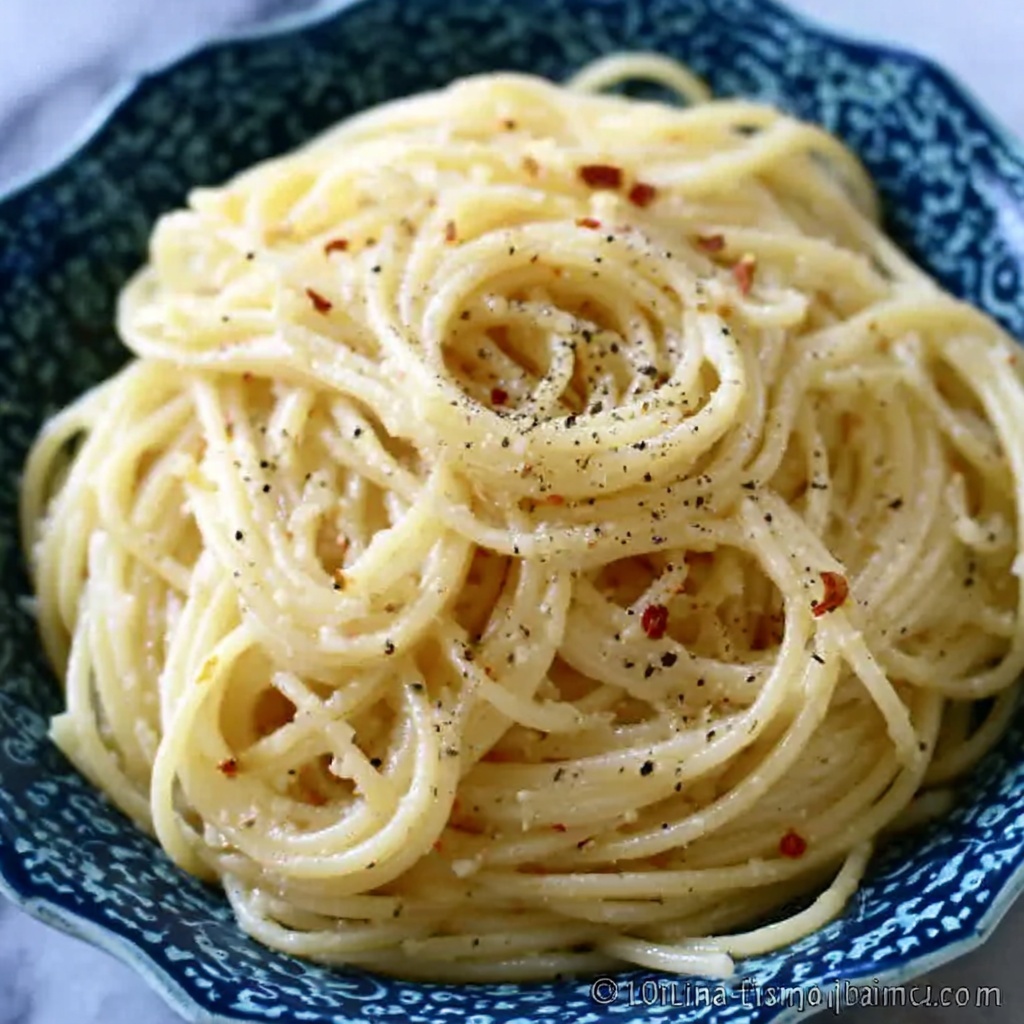
If you are craving a pasta dish that is both incredibly simple and outrageously delicious, the Spaghetti Cacio e Pepe Recipe is about to become your new go-to. This classic Roman dish combines just a few humble ingredients—spaghetti, Pecorino Romano cheese, and freshly ground black pepper—to create a luxurious, creamy sauce that clings perfectly to every strand of pasta. The magic lies in the technique, transforming pantry staples into something truly special and satisfying.
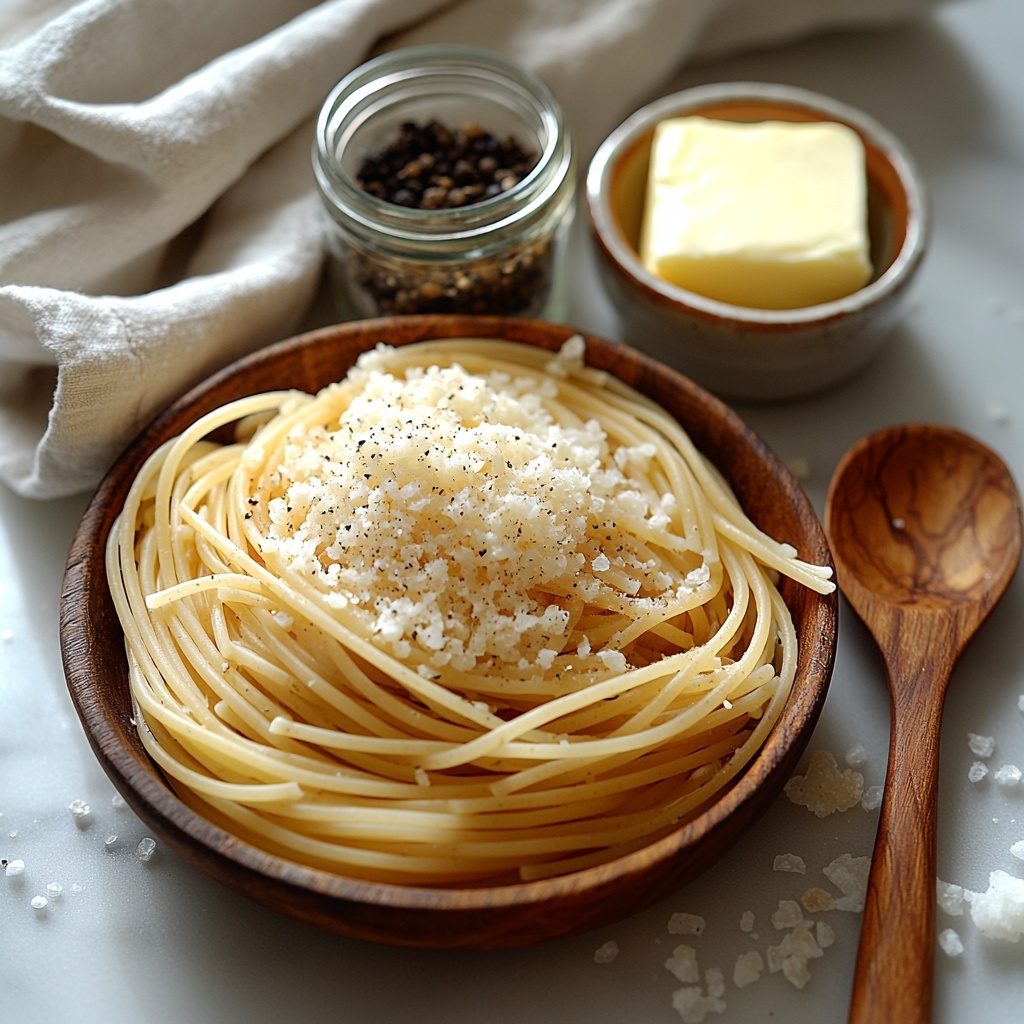
Ingredients You’ll Need
The beauty of this Spaghetti Cacio e Pepe Recipe is in its simplicity. Each ingredient plays a crucial role in building layers of flavor and texture, proving you don’t need a long list to create a memorable meal.
- 12 oz spaghetti: The backbone of the dish, perfect for holding the creamy sauce.
- 1 cup Pecorino Romano cheese, finely grated: Adds a sharp, salty, and tangy cheese flavor that melts beautifully.
- 1 ½ tsp freshly ground black pepper: Toasted to release its aroma, it adds the signature spicy kick.
- 1 tbsp unsalted butter (optional): Stirred in at the end for extra silkiness and richness.
- Salt, for boiling water: Enhances the pasta’s flavor without overpowering the cheese and pepper.
How to Make Spaghetti Cacio e Pepe Recipe
Step 1: Cook the Pasta
Start by bringing a large pot of salted water to a boil—this is key for seasoning the pasta from the inside out. Cook the spaghetti until just shy of al dente; aim for about one minute less than the package instructions suggest. Before draining, save 1 cup of the pasta water; this starchy liquid is essential for creating the sauce’s perfect creamy texture.
Step 2: Toast the Pepper
While the pasta cooks, heat a large skillet over medium heat. Add the freshly ground black pepper and toast it for about a minute, until it becomes fragrant. This step pops the pepper’s essential oils and deepens its flavor, which is the hallmark of a great Cacio e Pepe sauce.
Step 3: Create the Base
Pour ½ cup of the reserved pasta water into the skillet with the toasted pepper, and bring it to a gentle simmer. This infused water is the foundation on which your sauce will build, bringing together the heat of the pepper and the starchiness needed for creaminess.
Step 4: Combine Pasta and Sauce
Lower the heat to maintain a gentle warmth, then add the drained spaghetti right into the skillet. Toss the pasta thoroughly to coat every strand in that peppery, steaming liquid. This step ensures the flavors start marrying beautifully.
Step 5: Melt the Cheese
Gradually sprinkle in the finely grated Pecorino Romano cheese while continuously stirring or tossing the pasta. Add more reserved pasta water as needed to help the cheese melt smoothly into a luxurious, creamy sauce. The trick is to go slowly so the cheese doesn’t clump, but instead forms a velvety coat all over the noodles.
Step 6: Enhance (Optional)
For an extra layer of creaminess and richness, stir in 1 tablespoon of unsalted butter at this point. It’s not necessary, but it adds a lovely silky finish that feels indulgent.
Step 7: Finish and Serve
Keep tossing until the sauce clings effortlessly and smoothly to each strand of spaghetti. Serve your Spaghetti Cacio e Pepe hot, with an additional sprinkle of Pecorino Romano and a crack of black pepper on top to brighten all those flavors.
How to Serve Spaghetti Cacio e Pepe Recipe
Garnishes
A simple handful of extra grated Pecorino Romano and a few turns of fresh black pepper on top add the perfect finishing touch. If you want to get adventurous, crushed red chili flakes can add a subtle heat contrast, or a drizzle of good-quality olive oil enhances richness.
Side Dishes
This dish shines best when it takes center stage, so keep sides light and fresh. A crisp green salad with a lemony vinaigrette or roasted seasonal vegetables balance the creamy pasta perfectly. Garlic bread is optional but never unwelcome with a comforting pasta like this.
Creative Ways to Present
Try serving the Spaghetti Cacio e Pepe Recipe in warmed shallow bowls for an elegant rustic presentation. Twirling individual servings neatly onto each plate makes it feel restaurant-worthy at home. You can also garnish with finely chopped fresh parsley for a subtle color pop and fresh aroma.
Make Ahead and Storage
Storing Leftovers
Spaghetti Cacio e Pepe tastes best fresh, but you can store leftovers in an airtight container in the fridge for 3-4 days. Keep in mind that the sauce may thicken as it cools, so some gentle reheating with a splash of water helps to revive the creaminess.
Freezing
Because this pasta relies on the delicate texture of melted cheese and emulsified sauce, freezing is not recommended. The texture and flavor can suffer, making reheated leftovers less enjoyable than freshly made.
Reheating
Reheat your leftover Spaghetti Cacio e Pepe gently in a skillet over low heat, adding a little reserved pasta water or a splash of milk to loosen the sauce. Stir continuously to bring back that silky smooth texture without drying out the noodles.
FAQs
Can I use Parmesan cheese instead of Pecorino Romano?
While Parmesan can be used, Pecorino Romano offers a sharper, saltier taste that is traditional and gives the Spaghetti Cacio e Pepe Recipe its signature flavor. Using Parmesan will result in a milder dish but still tasty.
Is it necessary to toast the black pepper?
Yes, toasting the black pepper releases its essential oils and deepens its aroma, which is key to elevating the dish beyond a simple pasta and cheese combo. It adds a warm spice note that makes every bite exciting.
Can I make this dish vegan or dairy-free?
Traditional Cacio e Pepe relies heavily on Pecorino Romano cheese, so vegan or dairy-free versions require substitutes like nutritional yeast or vegan cheese alternatives; however, the authentic creamy texture and flavor will be hard to replicate exactly.
What type of pasta is best for Cacio e Pepe?
Spaghetti is the classic choice for this dish because its thin, long strands catch the sauce perfectly. You can experiment with other long pasta like bucatini or linguine, but avoid shapes that won’t hold the sauce evenly.
How do I prevent the sauce from clumping?
The key is to add the cheese slowly while stirring constantly and use reserved pasta water to loosen the sauce. The starch in the water helps the cheese melt smoothly and cling without turning grainy or sticky.
Final Thoughts
I truly hope you give this Spaghetti Cacio e Pepe Recipe a try because it’s a stunning example of simple ingredients transforming into something extraordinary. It’s easy, quick, and satisfying in a way that makes you feel like a pasta pro with minimal effort. Once you master this classic, it becomes a comforting staple that you can whip up anytime and impress friends or family effortlessly.
Print
Spaghetti Cacio e Pepe Recipe
- Prep Time: 5 minutes
- Cook Time: 15 minutes
- Total Time: 20 minutes
- Yield: 2 servings
- Category: Main Course
- Method: Stovetop
- Cuisine: Italian
Description
Spaghetti Cacio e Pepe is a classic Italian pasta dish that elegantly combines just a few simple ingredients: spaghetti, Pecorino Romano cheese, and freshly ground black pepper. This quick and flavorful recipe results in a creamy, peppery sauce that beautifully coats the pasta, perfect for a satisfying meal ready in under 20 minutes.
Ingredients
Ingredients
- 12 oz spaghetti
- 1 cup Pecorino Romano cheese, finely grated
- 1 ½ tsp freshly ground black pepper
- 1 tbsp unsalted butter (optional)
- Salt, for boiling water
Instructions
- Cook the Pasta: Bring a large pot of salted water to a boil. Cook the spaghetti until just shy of al dente, about 1 minute less than the package instructions recommend. Reserve 1 cup of the pasta water before draining the noodles.
- Toast the Pepper: In a large skillet over medium heat, toast the freshly ground black pepper for about 1 minute until it becomes fragrant, enhancing its bold flavor.
- Create the Base: Add ½ cup of the reserved pasta water to the skillet with the toasted pepper and bring it to a gentle simmer. This will form the foundation of your sauce.
- Combine Pasta and Sauce: Reduce the heat to low, then add the drained spaghetti to the skillet. Toss the pasta well to coat it evenly in the pepper-infused water.
- Melt the Cheese: Gradually sprinkle the finely grated Pecorino Romano cheese into the pasta while continuously stirring. Add more reserved pasta water, as needed, to achieve a smooth and creamy sauce that clings to each strand.
- Enhance (Optional): For extra creaminess, stir in 1 tablespoon of unsalted butter until melted and fully incorporated.
- Finish and Serve: Continue tossing the pasta over low heat until the sauce is silky and evenly coats the spaghetti. Serve immediately, garnished with extra Pecorino Romano cheese and freshly ground black pepper for added flavor.
Notes
- Be sure to reserve pasta water before draining—it’s essential for creating the creamy sauce.
- The pepper is toasted to release its essential oils and a deeper flavor.
- Adding butter is optional but adds a richer texture to the dish.
- Use finely grated Pecorino Romano for a smooth cheese melt.
- This dish is best served immediately, as the sauce can thicken as it cools.