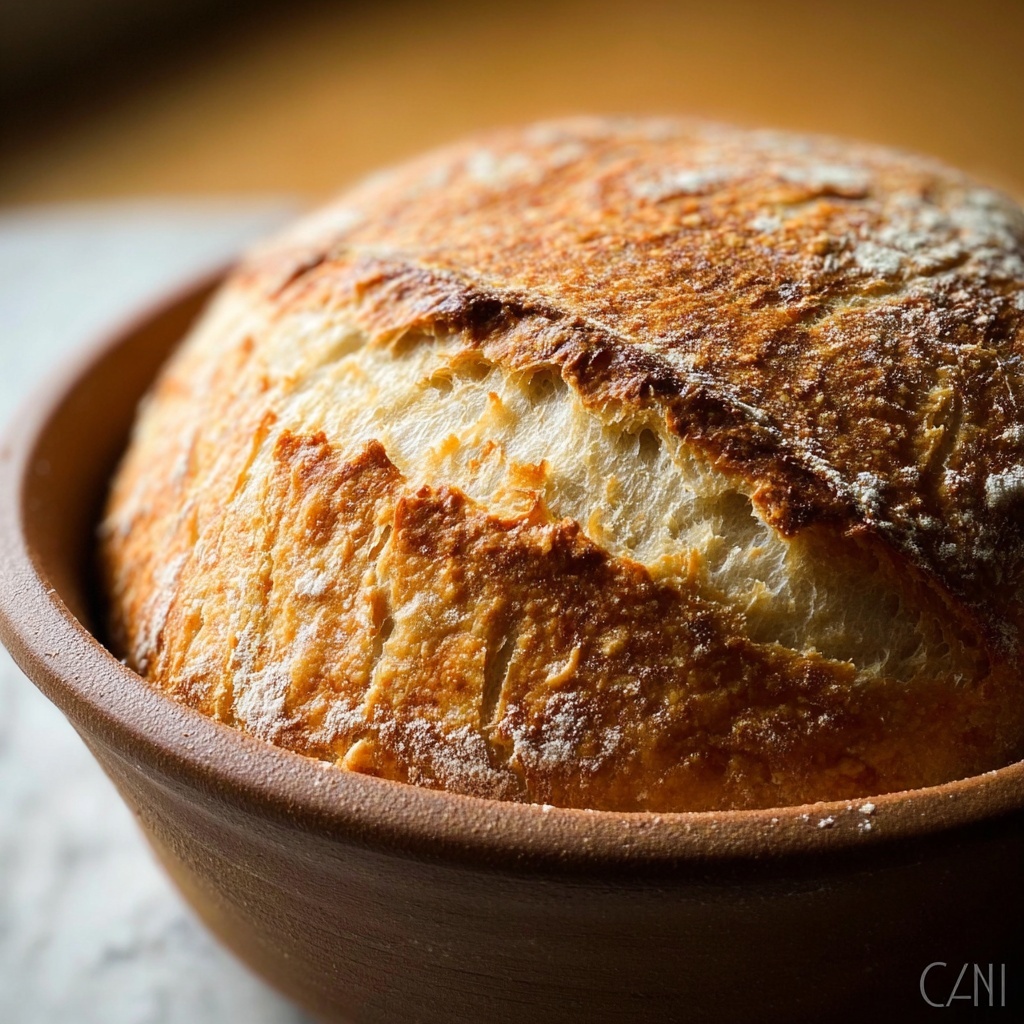
If you’ve ever wanted to master the art of sourdough, then you’re in for a treat with the 5 Secrets to Baking Irresistible Sourdough Bread Recipe. This enchanting process transforms just flour and water into a lively, bubbling starter that’s the heart and soul of truly amazing bread. My absolute favorite thing about this recipe is how simple ingredients and patient care come together to create that complex flavor, chewy texture, and irresistibly crispy crust that everyone raves about. Trust me, once you get the hang of these secrets, your homemade sourdough will wow friends and family every time.
Ingredients You’ll Need
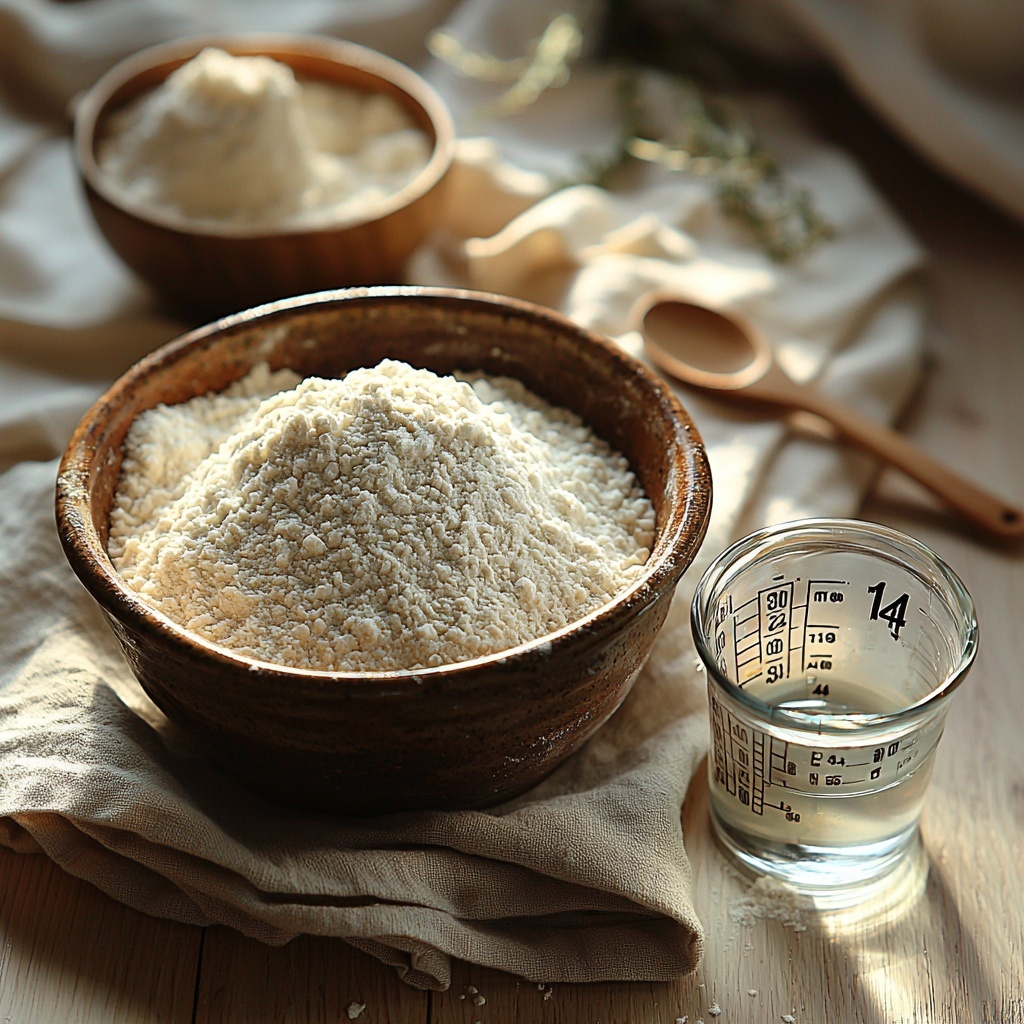
Believe it or not, the magic of this recipe starts with just two simple ingredients. Both are crucial for developing the natural yeast and acidity that give sourdough its unique personality, making each loaf a masterpiece of flavor and texture.
- 1 cup all-purpose flour: Choose a quality flour with good protein content for best fermentation and structure.
- 1/2 cup water: Use filtered or non-chlorinated water to encourage healthy wild yeast growth.
How to Make 5 Secrets to Baking Irresistible Sourdough Bread Recipe
Step 1: Combine the Ingredients
Start by mixing your flour and water together in a clean bowl until you get a thick, shaggy paste. This is the simple beginning that will soon transform into a living, breathing starter full of character.
Step 2: Cover and Rest
Cover the bowl loosely with a breathable cloth to allow airflow while keeping out dust and bugs. Leave it sitting at room temperature, where natural yeast and bacteria will begin to do their magic within 24 hours.
Step 3: Daily Feeding Ritual
Every 24 hours, feed your starter with equal parts flour and water. This consistency keeps it happy and growing strong, developing those signature bubbles and tangy aroma that signal it’s on the right track.
Step 4: Watch for Activation
By about day seven, you’ll notice the starter is bubbly, active, and has doubled in size—signs that it’s ready to leaven your bread with irresistibly tangy flavor and fabulous texture.
Step 5: Bake with Confidence
Use your mature starter in your favorite bread recipes and enjoy knowing the secrets behind its vibrant rise and deep flavor. Every loaf you create will carry the mark of these 5 secrets to baking irresistible sourdough bread recipe.
How to Serve 5 Secrets to Baking Irresistible Sourdough Bread Recipe
Garnishes
Fresh herbs like rosemary or thyme sprinkle beautifully over warm slices, while a drizzle of good olive oil or a smear of whipped butter enhances the bread’s rustic charm and taste.
Side Dishes
This sourdough pairs wonderfully with hearty soups, tangy cheeses, or a vibrant salad. The bread’s tang and chewiness beautifully balance creamy and savory flavors on your plate.
Creative Ways to Present
Try slicing your sourdough thick for open-faced sandwiches or use it to build gourmet bruschetta topped with colorful, fresh veggies. Toasted slices make an irresistible base for avocado toast or a simple garlic bread.
Make Ahead and Storage
Storing Leftovers
Wrap leftover bread in a clean kitchen towel and store it at room temperature to keep the crust crisp and prevent it from becoming too soft. Avoid plastic bags unless you intend to freeze it.
Freezing
Sourdough freezes beautifully! Slice the loaf first, then freeze slices in a sealed bag. This way, you can toast slices straight from the freezer whenever a craving hits, without losing that fresh, tangy flavor.
Reheating
Reheat by wrapping your slices in foil and warming them in the oven, or toast them for a few minutes until the edges are crisp and the center softens, bringing that delightful freshly baked feeling right back.
FAQs
How long does it take to get a sourdough starter ready?
Typically, it takes about 7 days of daily feedings for your starter to become bubbly, active, and ready to bake with. Patience during this process really pays off with flavor and rise.
Can I use whole wheat flour instead of all-purpose?
Absolutely! Whole wheat flour can add more nutrients and a hearty flavor, but it ferments faster. You might see activity sooner, but stick to the same feeding schedule for the best results.
What is the best temperature to keep my starter?
Room temperature, around 70°F to 75°F, is ideal for cultivating your sourdough starter’s yeast and bacteria. Cooler temps slow fermentation; warmer temps can speed it up too fast.
Why does my starter smell sour or strange?
A pleasant tangy or slightly yeasty aroma is normal. If the starter smells rotten or very unpleasant, it may need discarding and fresh starting. Clean tools and regular feedings keep it healthy.
How often should I feed my starter once it’s active?
Once active, you can feed your starter daily if kept at room temperature or refrigerate and feed it once a week to slow down activity. It depends on how often you bake and keep it happy!
Final Thoughts
Embracing the 5 Secrets to Baking Irresistible Sourdough Bread Recipe is like welcoming a new best friend into your kitchen. This simple yet transformative process rewards you with bread that tastes like it was crafted by passion and patience. I truly hope you dive into this journey and discover the joy of pulling a perfect loaf from your oven—it’s a game changer, and one you’ll love sharing around every table.
Print
5 Secrets to Baking Irresistible Sourdough Bread Recipe
- Prep Time: 10 minutes
- Cook Time: 0 minutes
- Total Time: 168 hours
- Yield: 1 serving (about 1 to 1.5 cups of starter)
- Category: Bread
- Method: No-Cook
- Cuisine: American
- Diet: Vegetarian
Description
Learn how to create a bubbly, tangy sourdough starter from scratch with just flour and water. This essential base will help you bake irresistibly flavorful and crusty sourdough bread at home by harnessing natural wild yeast over the course of about a week.
Ingredients
Starter Ingredients
- 1 cup all-purpose flour
- 1/2 cup water
Instructions
- Combine Ingredients: In a clean bowl, mix 1 cup of all-purpose flour with 1/2 cup of water until a thick, smooth paste forms, ensuring there are no dry patches of flour.
- Cover and Rest: Cover the bowl loosely with a cloth to allow airflow while keeping dust out, and leave it at room temperature (around 70°F or 21°C) for 24 hours.
- Feed the Starter: Every 24 hours, add equal parts flour and water to the starter—typically 1/2 cup flour and 1/4 cup water—stirring well to incorporate. This nourishes the natural yeast and bacteria developing in the mixture.
- Repeat Feeding: Continue feeding the starter daily for about 7 days. Over this time, you will notice bubbles forming and the mixture rising, indicating active fermentation and readiness.
- Ready to Use: Once the starter is bubbly, has doubled in size, and has a pleasant tangy aroma, it is ready to be used for baking sourdough bread.
Notes
- Use filtered or dechlorinated water for best fermentation results.
- Keep your starter at a consistent room temperature to encourage yeast activity.
- If your starter develops any pink or orange hues, discard it as it may be contaminated.
- You can store your starter in the refrigerator once active and feed weekly if not baking regularly.
- The starter is versatile and can be adjusted with whole wheat or rye flour for different flavor profiles.