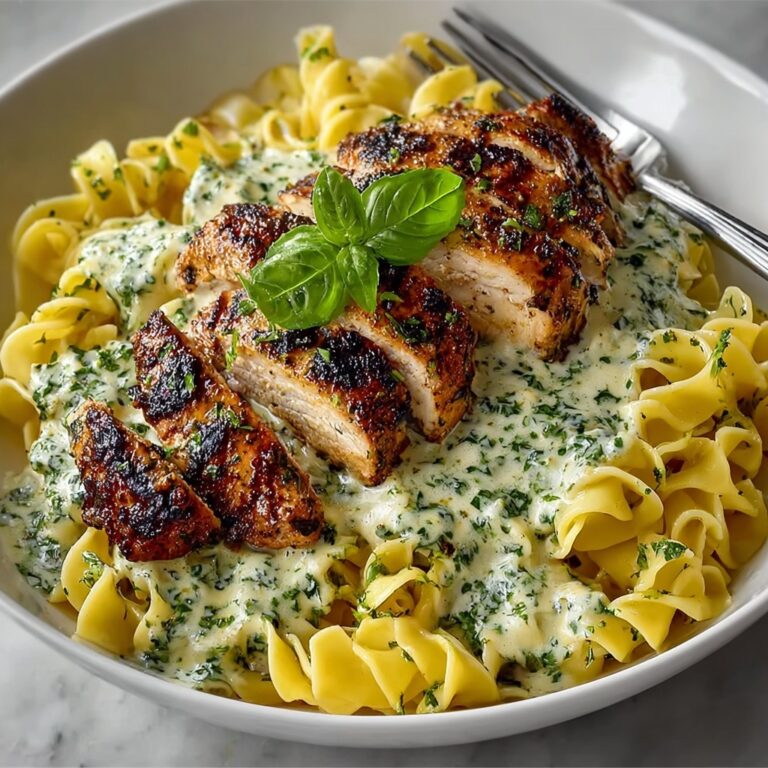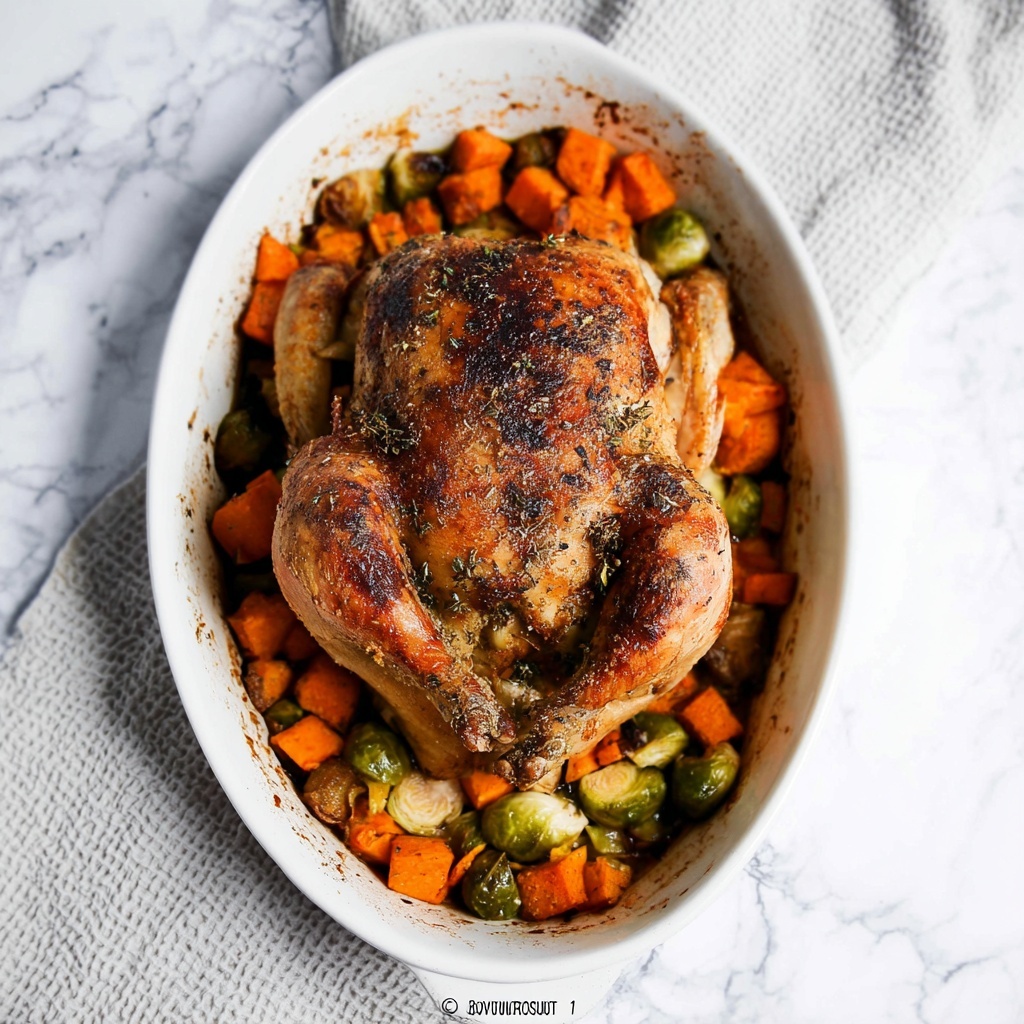
If you’re craving something that feels both effortlessly elegant and packed with mouthwatering flavor, this Roast Chicken with Basil Pesto Recipe is your new best friend in the kitchen. Imagine juicy, tender chicken infused with herbaceous, garlicky basil pesto that seeps deep beneath the skin, creating a perfect balance of savory, fresh, and slightly nutty notes. It’s the kind of dish that makes any meal feel special, yet it’s surprisingly simple to pull off. Whether you’re cooking for a cozy family dinner or impressing guests, this recipe will quickly become a beloved classic that you’ll turn to again and again.
Ingredients You’ll Need
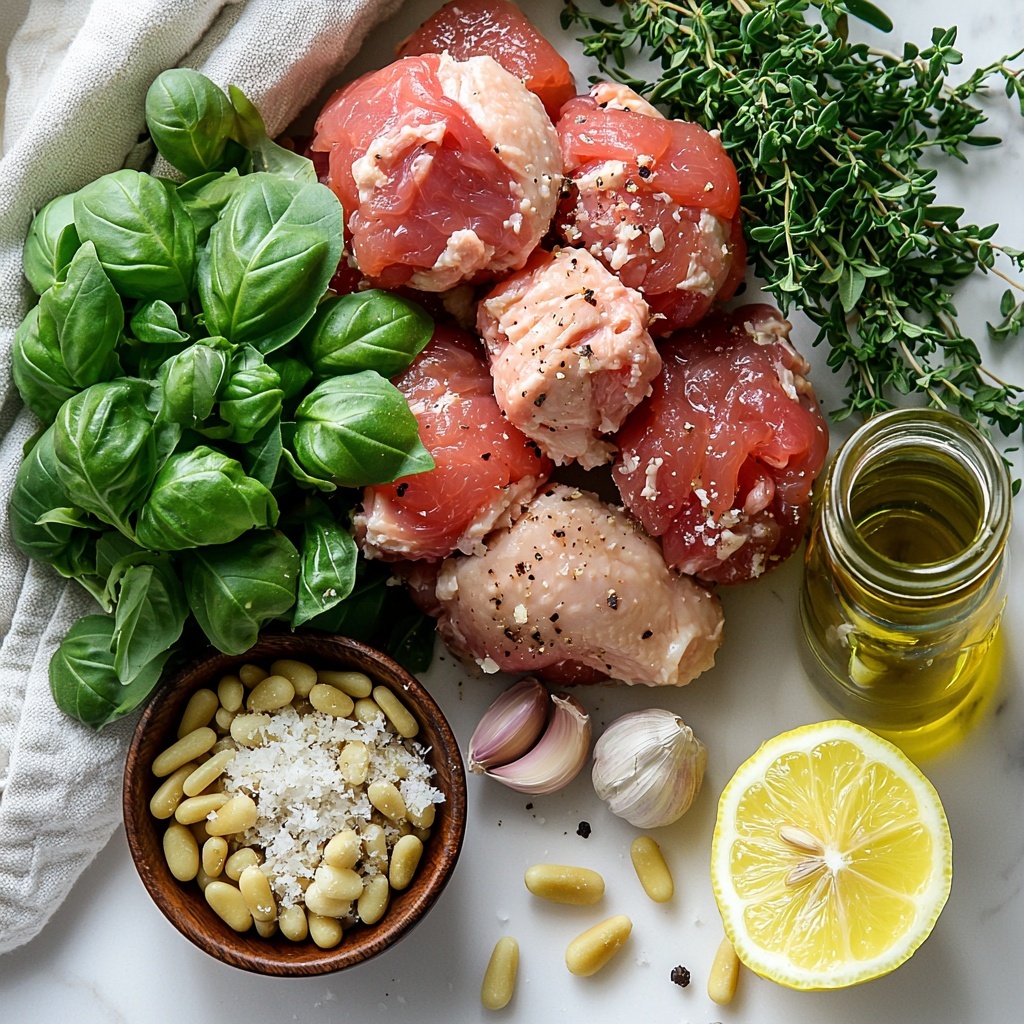
All the ingredients for this Roast Chicken with Basil Pesto Recipe come together to create a dish that’s simple, vibrant, and packed with flavor. Each one plays an important role, from the salty richness of Parmesan to the fresh vibrancy of basil and the subtle, comforting aroma of roasted garlic and herbs.
- Whole chicken (3–4 lbs / 1.5–2 kg): The perfect size to roast evenly and hold plenty of pesto beneath the skin.
- Salt and freshly ground black pepper: Essential for seasoning to bring out all the flavors.
- Olive oil (2–3 tbsp): Helps crisp the skin and adds richness.
- Fresh basil leaves (2 cups, packed): The star herb for bright, fresh pesto flavor.
- Grated Parmesan cheese (1/2 cup): Adds a salty, nutty depth to the pesto.
- Pine nuts (1/3 cup): Provide a buttery texture and mild flavor; walnuts can be used instead for a budget-friendly option.
- Garlic cloves (3): Garlic gives the pesto a vibrant punch and roasted garlic in the chicken adds warmth.
- Extra virgin olive oil (1/2 cup): Creates the silky texture that binds the pesto together.
- Lemon (1, optional): Adds brightness and freshness both in the pesto and stuffed inside the chicken cavity.
- Fresh herbs (rosemary, thyme, parsley, optional): Aromatics for roasting bring an extra layer of earthy flavor.
How to Make Roast Chicken with Basil Pesto Recipe
Step 1: Preheat the Oven
Start by setting your oven to a toasty 400°F (200°C). This temperature is just right for roasting the chicken evenly, ensuring the skin crisps up beautifully while the meat stays juicy and tender inside.
Step 2: Prepare the Pesto
In your food processor, toss in fresh basil leaves, grated Parmesan, pine nuts, and garlic cloves. Pulse the mixture until it’s coarsely chopped, letting the flavors start to mingle. Then, drizzle in the extra virgin olive oil slowly while the processor runs to achieve that perfect smooth pesto consistency. Season it with salt, pepper, and a splash of lemon juice if you’re feeling fancy. Set this vibrant pesto aside — it’s the magic that will transform your roast chicken.
Step 3: Prepare the Chicken
Pat the chicken dry with paper towels—dry skin equals crispy skin later on! Gently loosen the skin over the breast and thighs by sliding your fingers underneath, careful not to tear it. This is your opportunity to rub half the pesto directly under the skin, infusing the meat with herbal goodness. Slather the remaining pesto all over the outside of the chicken and season generously with salt and pepper. For an extra flavor boost, stuff the cavity with lemon halves, smashed garlic cloves, and fresh herbs — this little trick sends aroma and taste straight to the core.
Step 4: Roast the Chicken
Place your pesto-coated chicken breast-side up in a roasting pan or baking dish. Pop it into the oven and roast for about 1 hour and 15 minutes, or until the thickest part of the thigh reaches 165°F (74°C). Halfway through, treat your chicken to a basting of its own pan juices; it keeps everything juicy and tender. And don’t forget, you can switch on the broiler for just a couple of minutes at the end if you want irresistibly crispy skin — just keep a close eye on it!
Step 5: Rest and Serve
Once out of the oven, let your Roast Chicken with Basil Pesto Recipe rest for 10 to 15 minutes. This step is crucial because it allows the juices to redistribute, making every bite deliciously moist. Carve the chicken and serve immediately with your favorite sides. You’ll notice how that pesto flavor really shines through every tender morsel — pure comfort on a plate.
How to Serve Roast Chicken with Basil Pesto Recipe
Garnishes
Fresh herbs like parsley or extra basil leaves scattered on top add a burst of color and compliment the pesto’s herby freshness. Thin lemon slices or wedges served alongside brighten the plate and offer an optional zesty squeeze that livens up each bite.
Side Dishes
This dish pairs beautifully with roasted vegetables such as carrots, potatoes, or asparagus — all roasted alongside the chicken to soak up those irresistible pan juices. For something lighter, a crisp green salad or lemony pasta tossed in olive oil and garlic balances the richness perfectly.
Creative Ways to Present
For a rustic feel, carve the chicken directly on a wooden board surrounded by bowls of extra pesto and roasted veggies. Hosting a casual dinner? Slice the leftover chicken and pile it on crusty bread with fresh mozzarella and a drizzle of pesto for a gourmet sandwich experience.
Make Ahead and Storage
Storing Leftovers
If you find yourself with leftovers, wrap them tightly in an airtight container and refrigerate. The flavors actually meld and deepen after a day, making the next day’s meal just as delightful.
Freezing
While roasting is best fresh, leftover cooked chicken can be frozen if wrapped well. Separate meat from bones before freezing for easy thawing and reheating later — perfect for quick meals during busy weeks.
Reheating
To reheat, warm slices gently in the oven at 300°F (150°C) covered in foil to retain moisture. Avoid microwaving if you want to keep the pesto flavor and texture at their best. Serve with a fresh spoonful of pesto to freshen things up after reheating.
FAQs
Can I use a different herb instead of basil for the pesto?
Absolutely! While basil is classic, you can experiment with herbs like parsley, cilantro, or even mint. Just keep in mind each herb will bring its own distinctive taste, so adjust other ingredients accordingly for balance.
Is it necessary to loosen the skin to apply the pesto?
Yes, slipping pesto underneath the skin ensures the flavors penetrate the meat directly, making the chicken incredibly flavorful inside and out. It also helps keep the meat moist during roasting.
Can I make the pesto without a food processor?
You can! Chop the basil, garlic, and nuts finely by hand, then mix in grated Parmesan and olive oil. Although it takes a bit more effort, the rustic texture can be quite charming.
How long can I store leftover pesto?
Homemade pesto lasts about a week refrigerated if stored in a sealed container with a thin layer of olive oil on top to prevent oxidation. You can also freeze pesto in ice cube trays for quick portioning.
What if I don’t have pine nuts on hand?
No worries at all. Walnuts or almonds are excellent substitutes that are more affordable and still add that lovely nutty dimension to the pesto.
Final Thoughts
This Roast Chicken with Basil Pesto Recipe is one of those rare dishes that combines simplicity with unforgettable flavor, making it a joy to cook and even more of a pleasure to eat. I hope you give this recipe a try and find as much comfort and delight in it as I do. Trust me, once you taste that fragrant, herb-packed chicken, this will become your go-to recipe for special dinners and quick weeknight meals alike.
Print
Roast Chicken with Basil Pesto Recipe
- Prep Time: 20 minutes
- Cook Time: 1 hour 15 minutes
- Total Time: 1 hour 35 minutes
- Yield: 4-6 servings
- Category: Main Course
- Method: Roasting
- Cuisine: Italian
- Diet: Halal
Description
This roasted whole chicken features a vibrant basil pesto rubbed under the skin and on the outside, infused with fresh herbs and garlic for an aromatic and flavorful meal. Perfectly roasted to juicy tenderness with crispy skin, it makes an impressive yet easy main dish for dinner.
Ingredients
For the Chicken
- 1 whole chicken (about 3–4 lbs / 1.5–2 kg)
- Salt and freshly ground black pepper
- 2–3 tbsp olive oil
For the Basil Pesto
- 2 cups fresh basil leaves (packed)
- 1/2 cup grated Parmesan cheese
- 1/3 cup pine nuts (or walnuts as an alternative)
- 3 garlic cloves
- 1/2 cup extra virgin olive oil
- Salt and pepper to taste
- Optional: 1 tsp lemon juice
Optional Aromatics for Roasting
- 1 lemon, halved
- 4–5 garlic cloves, smashed
- Fresh herbs (rosemary, thyme, or parsley)
Instructions
- Preheat the Oven: Preheat your oven to 400°F (200°C) to prepare for roasting the chicken evenly.
- Prepare the Pesto: In a food processor, combine basil, Parmesan, pine nuts, and garlic. Pulse until coarsely chopped. With the processor running, slowly drizzle in olive oil until the mixture becomes smooth. Season with salt, pepper, and optional lemon juice, then set aside.
- Prepare the Chicken: Pat the chicken dry with paper towels. Carefully loosen the skin over the breast and thighs without tearing it. Rub half of the prepared pesto under the skin directly onto the meat. Spread the remaining pesto over the outside of the chicken. Season generously with salt and freshly ground black pepper. Optionally, stuff the cavity with lemon halves, smashed garlic cloves, and fresh herbs for enhanced flavor.
- Roast the Chicken: Place the chicken breast-side up on a roasting pan or baking dish. Roast in the preheated oven for about 1 hour 15 minutes (for a 3–4 lb chicken), or until the internal temperature reaches 165°F (74°C) at the thickest part of the thigh. Halfway through, optionally baste the chicken with its pan juices for extra moistness.
- Rest and Serve: Remove the chicken from the oven and let it rest for 10–15 minutes before carving to allow juices to redistribute. Serve warm with your choice of roasted vegetables, salad, or pasta.
Notes
- For crispier skin, broil the chicken for 2–3 minutes at the end of roasting; watch carefully to prevent burning.
- You can prepare the pesto a day ahead as the flavors intensify overnight.
- Leftover pesto chicken works wonderfully in sandwiches or tossed with pasta for next-day meals.
- Ensure the chicken reaches an internal temperature of 165°F (74°C) to be safely cooked.