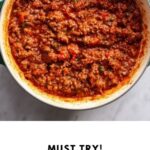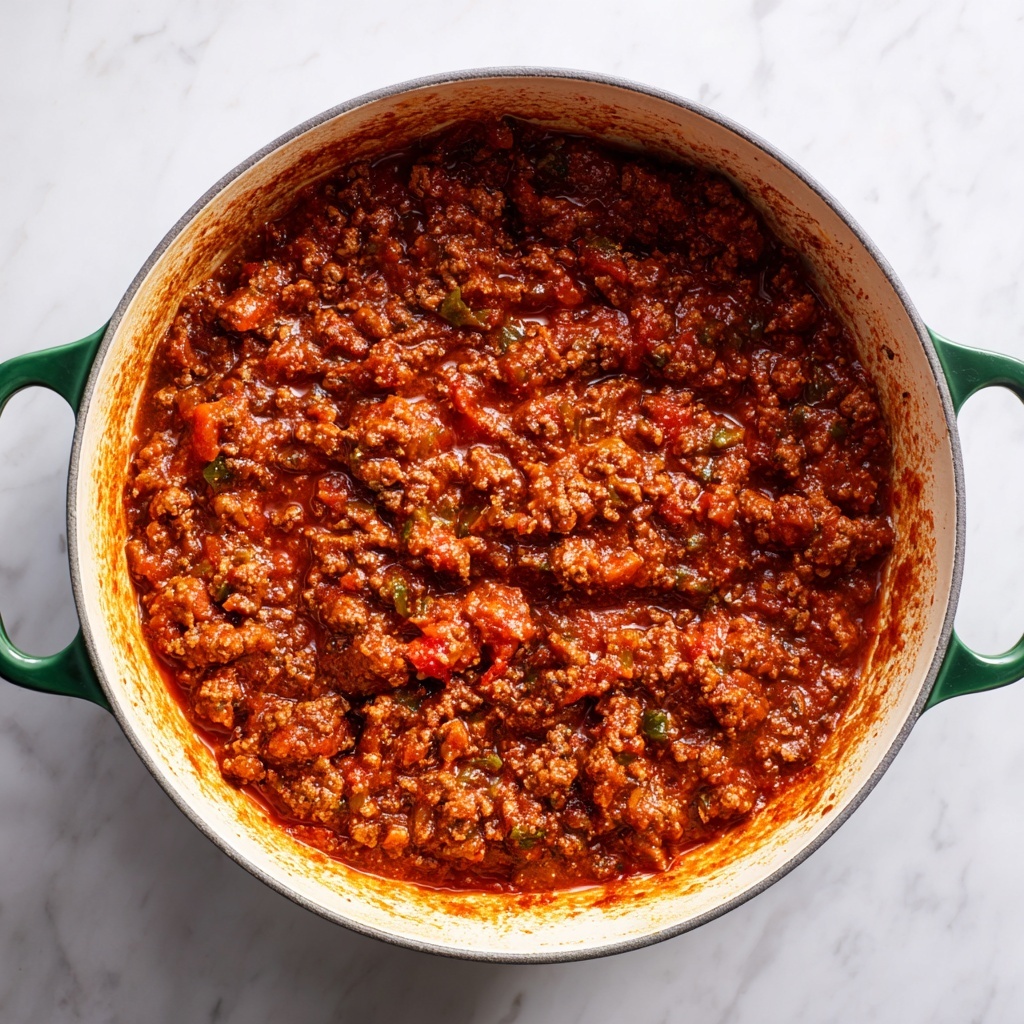
If you have ever dreamed of crafting a rich, velvety Italian sauce that feels like a warm hug for your taste buds, the Classic Bolognese Sauce Recipe is exactly what you need. This timeless sauce brings together simple, wholesome ingredients and slow simmering to create a deeply flavored meat sauce that’s perfect for family dinners or impressing guests. Every spoonful carries layers of savoriness, subtle sweetness, and that unmistakable comfort of authentic home cooking. Once you master this Classic Bolognese Sauce Recipe, your pasta nights will never be the same again.
Ingredients You’ll Need
Gathering the right ingredients doesn’t have to be complicated, especially for a recipe as beloved as this one. Each item plays a crucial role—whether it’s for building flavor, adding texture, or bringing a lovely color to your Bolognese.
- 2 tablespoons olive oil: This is your cooking foundation, adding richness and helping to soften the vegetables.
- 1 small yellow onion, finely diced (about 1 cup): Offers sweetness and depth as it gently sautés.
- 1 small carrot, peeled and finely diced (about 1/3 cup): Adds a slight natural sweetness and texture contrast.
- 1 small stalk celery, finely diced (about 1/4 cup): Brings a subtle earthiness that balances the sauce.
- 3 cloves garlic, minced: Provides that unmistakable aromatic punch, essential in Italian cooking.
- 1 pound lean ground beef: The hearty protein base that makes this sauce hearty and comforting.
- 1 1/2 teaspoons kosher salt, plus more as needed: Enhances every element of the sauce perfectly.
- 1/4 teaspoon freshly ground black pepper: Adds a mild kick to awaken the flavors.
- 1/8 teaspoon ground or freshly grated nutmeg: A tiny touch that lends warmth and complexity.
- 1 cup whole milk: Creates creaminess and tenderizes the meat for a luscious texture.
- 1 cup dry white wine: Adds acidity and depth that intensifies the flavor layers.
- 1 (28-ounce) can whole peeled tomatoes: The soul of the sauce, providing rich tomato flavor and natural sweetness.
- 1 cup low-sodium chicken broth: Balances moisture and enriches the overall taste without overwhelming.
How to Make Classic Bolognese Sauce Recipe
Step 1: Preparing the Sofrito Base
Start by heating the olive oil until shimmering—this signals it’s ready to coax out flavors from your vegetables. Toss in the finely diced onion, carrot, celery, and garlic. The magic of a great Bolognese begins with these vegetables gently softening, releasing natural sweetness and building a fragrant foundation in about 8 to 10 minutes. This step is all about layering flavor right from the start.
Step 2: Browning the Beef
Next, add the lean ground beef along with salt, pepper, and that subtle sprinkle of nutmeg. Use your wooden spoon to break the meat into smaller pieces so it caramelizes evenly. Browning the beef well takes around 5 to 7 minutes and is crucial—it seals in juices and creates a rich, meaty backbone for your sauce that is simply irresistible.
Step 3: Adding Milk and Wine
Pour in the whole milk and stir occasionally while it simmers and reduces. This step tenderizes the meat and adds a silky texture to the sauce, taking about 10 to 12 minutes. Then, in goes the white wine; its acidity brightens the entire pot and enhances complexity. Let it evaporate until the sauce is beautifully concentrated, which takes another 10 to 12 minutes of gentle stirring.
Step 4: Incorporating Tomatoes and Broth
Now for the tomatoes — crush the whole peeled tomatoes with your hands right as you add them, letting their juices flood the pot. Add the chicken broth, stir everything together, and bring to a simmer. Lower the heat to maintain a very gentle simmer and let the sauce slowly thicken and the flavors meld for about 1 1/2 hours. The longer it simmers, the deeper the taste becomes, so patience rewards you with pure bliss.
How to Serve Classic Bolognese Sauce Recipe
Garnishes
Simple garnishes make a great sauce sparkle. Freshly grated Parmigiano-Reggiano cheese is an absolute must, bringing a nutty, salty finish. A sprinkle of chopped fresh parsley or basil adds a pop of color and brightness, while a drizzle of good-quality extra virgin olive oil on top can elevate the richness even more. Don’t be shy—you want your plate happy and inviting!
Side Dishes
Classic Bolognese sauce shines best over hearty pasta like tagliatelle or pappardelle because the wide noodles catch the meat sauce perfectly. But don’t stop there! Creamy mashed potatoes or even soft polenta create wonderful comforting bases for soaking up every bit of sauce. And a crisp green salad with a lemony vinaigrette contrasts and refreshes your palate beautifully.
Creative Ways to Present
Why not think outside the bowl? Try stuffing a baked pasta shell with Classic Bolognese Sauce Recipe and cheese, then bake it until bubbly and golden. Another fun idea is to layer this sauce in a lasagna for a more elevated dish or spoon it over roasted vegetables for a hearty vegetarian-friendly twist. This sauce adapts as easily as your imagination allows!
Make Ahead and Storage
Storing Leftovers
Once cooled, transfer your Classic Bolognese Sauce Recipe to an airtight container and store it in the refrigerator for up to 4 days. The flavors actually improve as they sit, making leftovers a true delight.
Freezing
This sauce freezes beautifully. Portion it into freezer-safe containers or bags, leaving some room for expansion, and it will keep well for up to 3 months. Just thaw in the fridge overnight before reheating.
Reheating
Reheat gently on the stove over low heat, stirring occasionally until warmed through. Adding a splash of broth or water can help loosen the sauce if it has thickened too much after refrigeration. Avoid high heat to preserve the sauce’s luscious texture.
FAQs
Can I use ground pork or a mix of meats instead of beef?
Absolutely! Many traditional Bolognese recipes use a mix of ground beef, pork, and even veal for more depth, so feel free to experiment depending on your taste preference and what you have on hand.
Is it necessary to add milk and wine?
Both milk and wine play important roles in balancing acidity and tenderness, making the sauce rich without being harsh. Skipping them will change the texture and flavor, but it’s okay if you prefer a simpler version or abstain from alcohol.
What’s the best pasta to pair with this sauce?
Wide, flat pastas like tagliatelle, pappardelle, or fettuccine are ideal because their broad surface holds onto the hearty sauce beautifully. However, sturdy shapes like rigatoni or hand-rolled egg noodles work well too.
Can I make this sauce in advance?
Yes! The Classic Bolognese Sauce Recipe actually benefits from resting a day in the fridge as the flavors meld even further. Just reheat gently before serving for best results.
How do I know when the sauce is done?
You’ll notice the sauce has thickened considerably and the flavors are rich and harmonious. The meat should be tender, and the tomato pieces well broken down. The slow simmer of about 1 1/2 hours is key to perfect Bolognese.
Final Thoughts
There is nothing quite like the warmth and satisfaction brought by a homemade Classic Bolognese Sauce Recipe. It’s a labor of love that rewards your patience with a richly comforting dish, perfect for sharing at the table. Whether you’re new to making sauces or a seasoned cook, this recipe will become a treasured staple, filling your kitchen with irresistible aromas and your guests with joy. Give it a try and watch how this humble sauce transforms simple meals into unforgettable feasts.
Print
Classic Bolognese Sauce Recipe
- Prep Time: 15 minutes
- Cook Time: 2 hours
- Total Time: 2 hours 15 minutes
- Yield: 4 servings
- Category: Sauce
- Method: Stovetop
- Cuisine: Italian
Description
Classic Bolognese Sauce is a rich and hearty Italian meat sauce made with ground beef, aromatic vegetables, milk, white wine, tomatoes, and chicken broth. This slow-simmered sauce is perfect for serving over pasta or polenta, delivering deep, complex flavors with tender, flavorful meat and a velvety texture.
Ingredients
Vegetables & Aromatics
- 2 tablespoons olive oil
- 1 small yellow onion, finely diced (about 1 cup)
- 1 small carrot, peeled and finely diced (about 1/3 cup)
- 1 small stalk celery, finely diced (about 1/4 cup)
- 3 cloves garlic, minced
Meat & Seasonings
- 1 pound lean ground beef
- 1 1/2 teaspoons kosher salt, plus more as needed
- 1/4 teaspoon freshly ground black pepper
- 1/8 teaspoon ground or freshly grated nutmeg
Liquids & Canned Goods
- 1 cup whole milk
- 1 cup dry white wine
- 1 (28-ounce) can whole peeled tomatoes
- 1 cup low-sodium chicken broth
Instructions
- Sauté Vegetables: Heat 2 tablespoons olive oil in a Dutch oven or large pot over medium heat until shimmering. Stir in the diced yellow onion, carrot, celery, and minced garlic. Cook, stirring occasionally, until the vegetables are softened and fragrant, about 8 to 10 minutes.
- Cook Ground Beef: Add the ground beef to the pot along with 1 1/2 teaspoons kosher salt, black pepper, and nutmeg. Break up the beef into smaller pieces as it cooks. Continue cooking until the beef is fully browned and no longer pink, about 5 to 7 minutes.
- Add Milk and Evaporate: Pour in the whole milk and cook, stirring occasionally. Allow the milk to reduce and mostly evaporate, which will take about 10 to 12 minutes. This step tenderizes the meat and balances acidity.
- Add Wine and Evaporate: Stir in the dry white wine and continue cooking, stirring occasionally, until the wine has mostly evaporated, about 10 to 12 minutes. This intensifies the flavor profile of the sauce.
- Add Tomatoes and Simmer: Add the can of whole peeled tomatoes with their juice. Use your hands to break the tomatoes into bite-sized pieces as you add them. Pour in the chicken broth and bring the mixture to a simmer. Reduce the heat to low to maintain a gentle simmer. Cook uncovered, stirring occasionally and breaking up any large tomato pieces with a wooden spoon, for about 1 1/2 hours or until the sauce is thickened and rich in flavor.
Notes
- For deeper flavor, use high-quality whole peeled tomatoes or San Marzano tomatoes if available.
- Simmering the sauce low and slow allows the flavors to meld beautifully and creates a thick, luscious texture.
- This sauce freezes well; store in airtight containers for up to 3 months.
- Serve over your favorite pasta like tagliatelle, pappardelle, or spaghetti for a classic Italian meal.
- If preferred, substitute ground pork or a mix of pork and beef for a different meat flavor.